Skin, explained
Pregnancy & Postpartum Skincare: What You Need to Know
Pregnancy changes a lot of things, including your skin. One week you’re glowing, the next you’re battling spots, sensitivity or newly-formed pigmentation. And the most frustrating part? Despite millions of women going through pregnancy e…

Pregnancy changes a lot of things, including your skin. One week you’re glowing, the next you’re battling spots, sensitivity or newly-formed pigmentation. And the most frustrating part? Despite millions of women going through pregnancy every year, clear and evidence-based skincare advice is surprisingly difficult to find – and that’s coming from someone who has worked in the skincare industry for years.
When I became pregnant with my little boy, this reality concerned me as research does show us that there are a number of common skincare ingredients that should be avoided during pregnancy. So why isn’t this important information more widely circulated? The good news is pregnancy doesn’t require an entirely new skincare routine. You just need to know what key things to avoid, and what alternatives to lean into to support your changing skin.
What to Avoid (And Why)
Retinoids (Vitamin A)
This is the big one. While prescription-strength and oral isotretinoin are known to increase the risk of birth defects, the evidence surrounding topical retinoids remains limited as they are absorbed into the skin in much smaller amounts. Despite this, the consensus among healthcare professionals and dermatologists is clear: avoid retinoid use throughout pregnancy.
High-strength Salicylic Acid
Despite being renowned as an excellent ingredient for blemishes and acne (a common issue during pregnancy), use of high-strength peels and large-area treatments is not recommended during pregnancy due to concerns about absorption and increased skin sensitivity. Lower concentrations (around 2% or less) are generally considered low risk when used occasionally or in wash-off formulas, but many choose to switch to gentler alternatives during pregnancy.
Hydroquinone
Often used to treat pigmentation, hydroquinone is known to absorb into the bloodstream significantly more than most common skincare ingredients. Because of this relatively high absorption rate (and limited conclusive data), most medical and skincare professionals recommended avoiding it during pregnancy.
Essential Oils
Many experts also recommend using essential oils with caution during pregnancy, particularly in high concentrations. Essential oils are plant extracts with active chemical compounds that can readily cross the placenta. Research has shown that this can impact the likes of fetal development and disrupt hormone levels. So, if a product relies heavily on fragrant essential oils, it’s worth opting for a fragrance-free alternative instead.
Chemical Sunscreens
While there are no conclusive studies that prove any harm during pregnancy, many dermatologists and experts advise erring on the side of caution and opting for a mineral (physical) sunscreen over a chemical sunscreen while pregnant or breastfeeding. This is because chemical UV filters work by absorbing into the skin and, sometimes, the bloodstream which can potentially disrupt hormonal balance. Conversely, mineral sunscreens (containing the likes of zinc oxide or titanium oxide) work by sitting on the skin’s surface. Either way, skipping sunscreen altogether is never an option as pregnancy makes skin significantly more susceptible to pigmentation and sunburn - and UV exposure is the biggest trigger of these.
Learn more about chemical vs. mineral sunscreens here
During Breastfeeding
Most of the above skincare ingredients become less of a concern once your baby has been born. However, if you’re breastfeeding, it’s still sensible to avoid applying potentially irritating or active products where conclusive research on absorption rates remains limited. It’s especially recommended to avoid use of any products directly onto your chest where your baby could easily ingest them.
Alternative Ingredients to Focus On (And Why)
Niacinamide
One of the most versatile ingredients you can use during pregnancy is . This powerhouse ingredient helps to regulate excess oil (which comes with hormonal changes), reduce redness, strengthen your and improve uneven skin tone. It also helps to rebalance your skin when hormone fluctuations can make it feel more reactive than usual.
Vitamin C
Hormonal changes during pregnancy can often trigger pigmentation, particularly melasma (sometimes called the ‘mask of pregnancy’). is an excellent which helps to visibly brighten your skin and help reduce the look of dark patches when used consistently.
Azelaic acid
If there’s one ingredient dermatologists repeatedly recommend during pregnancy, it’s . This gentle alternative to helps combat blemishes, redness and pigmentation - all while being considered compatible with pregnancy. It’s also one of the best substitutes for retinoids, particularly if you’re struggling with hormonal breakouts and/or uneven skin tone.
Learn more about acids here.
Hyaluronic acid
Pregnancy hormones are certainly a rollercoaster and, frustratingly, can often make your skin feel both oily and dehydrated at the same time - which is why ensuring balanced and lightweight hydration is key. is the ideal option for drawing moisture into the skin, leaving it feeling plumper, more comfortable and deeply hydrated without feeling overwhelmed.
Ceramides
Your skin barrier does a remarkable job of keeping moisture in and irritation out, and are the key building blocks of this barrier. When pregnancy leaves your skin feeling especially sensitive, dry or irritated, ceramide-rich moisturisers are the perfect option for reinforcing your skin barrier and maintaining a balanced, healthy microbiome.
Learn more about how ceramides work here.
My Top Tried-and-Tested Product Recommendations
To maintain optimal skin balance
Skn To Skn Balancing Act Gel-To-Oil Cleanser
*Side Note: I’m genuinely such a huge fan of Skn To Skn. It’s by far the most advanced skincare brand I’ve come across that’s solely dedicated to effective, clinically-proven skincare that’s entirely safe for use during pregnancy, breastfeeding, and all stages of postpartum. They’ve done all the legwork for you and the products truly deliver!
Youth To The People Superfood Cleanser
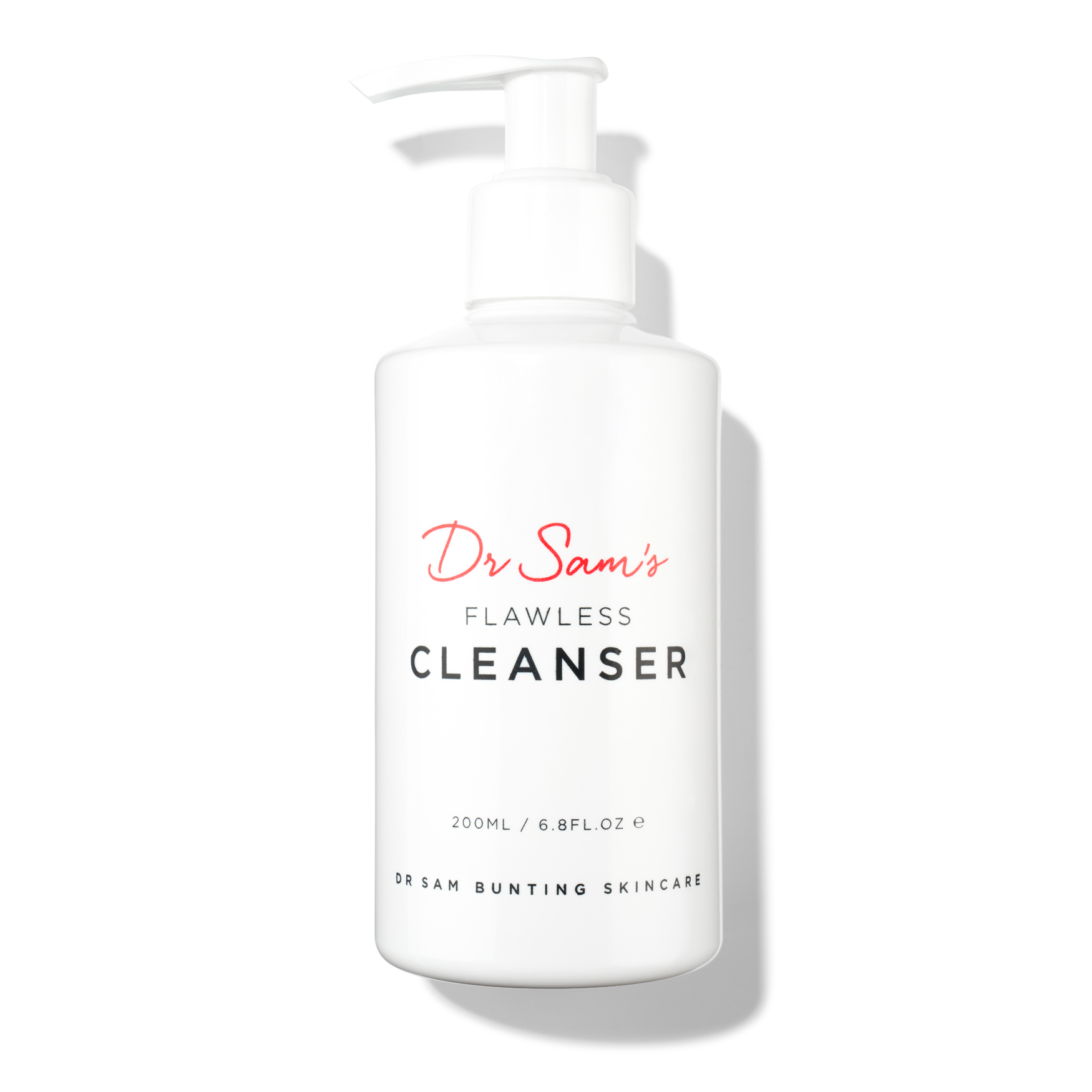
Dr Sam’s Flawless Cleanser
To combat blemishes
The Inkey List PHA Toner
Skn To Skn Multi-Tasking Face Serum
Medicube Azelaic Acid Niacinamide Clear Toner
To deliver lightweight, soothing hydration
The Ordinary Hyaluronic Acid 2% + B5
Naturium Quadruple Hyaluronic Acid Serum 5%
Skn To Skn Sleep Cheat Night Cream