Explained
Is K-Beauty Actually Better? Korean Skincare Explained.

K-Beauty has officially gone mainstream. What was once a niche corner of the beauty industry is now everywhere — from the shelves of Boots and Sephora to TikTok, where a new Korean skincare ‘must-have’ seems to appear every other day. During my time as a Beauty Trends Editor, I tried and tested more K-Beauty products than I could possibly count. And honestly, for the most part, I get the hype.
Korean skincare has introduced us to some genuinely innovative products, particularly when it comes to lightweight yet effective hydration, skin-barrier support and, perhaps most famously, next-gen sunscreens. But does that actually make K-Beauty ‘better’ than the rest of the global market? Well, yes and no.
Let’s get into it…
What exactly is K-Beauty?
K-Beauty simply means ‘Korean beauty’, but when we talk about it within skincare, we’re really talking about both Korean products and a broader approach to skincare.
Traditionally, that approach has focused on prevention, hydration, gentle yet effective formulations and consistency, rather than aggressively trying to correct every perceived flaw. Think less about “How can I eliminate this spot overnight?” and more “How can I keep my skin healthy enough to prevent the problem in the first place?”
The famous 10-step Korean skincare routine is probably the best-known example of the K-Beauty philosophy. But — and this is important — you absolutely do not need 10 products to see the benefits of K-Beauty. In fact, I think that is one of the biggest misconceptions about Korean skincare. An effective routine can be as simple as a cleanser, moisturiser and , with additional targeted products according to your skin’s specific needs.
Why is K-Beauty so popular?
There are a number of reasons, but I think one stands out above the rest: Korean brands are exceptionally good at making results-driven skincare that’s also desirable and easy to use. Products tend to have lightweight, elegant textures that layer easily under makeup, without compromising on the effectiveness of ingredients and noticeable results. And this matters far more than we sometimes give it credit for. The finest skincare product in the world isn’t particularly ‘useful’ to you if you hate applying it.
Consider something like Beauty of Joseon’s Relief Sun Aqua-Fresh . It’s just as lightweight, hydrating and fast-absorbing as one of my water-based serums but delivers very high-factor, broad-spectrum UV protection without any white cast or greasy residue at all. A prime example of a ‘does-it-all’ sunscreen.
K-Beauty has also been particularly innovative when it comes to products like essences, sheet masks, and cushion foundations. In fact, many of the beauty formats we love the most all owe something to the Korean beauty market. And that market is still evolving quickly…
So, where is the hype justified?
Well, Korean skincare isn’t inherently ‘better’ than the rest of the global market. Korean brands aren’t operating with a whole host of secret ingredients that European or American formulators, for example, don’t have access to. And plenty of other global brands produce exceptional skincare. What K-Beauty is particularly good at is combining excellent formulations with exceptional product experience.
Take sunscreen. A category where I think K-Beauty genuinely deserves the hype. Korean sunscreens have become hugely desirable for their lightweight textures, high levels of UV protection, hydration, barrier-supporting ingredients and makeup-friendly finishes. The result being: many people who previously hated wearing SPF suddenly find themselves willingly applying it every morning. The innovation isn’t necessarily that the sunscreen is magically more protective. It’s that the formulation makes wearing the right amount of sunscreen much easier, more enjoyable and compatible with daily makeup use. And that is a pretty significant advantage.
That said, I wouldn’t automatically choose a Korean SPF over a European one, for example. Australian, European and US brands also have their own strengths, particularly when it comes to very high protection. For me, the interesting thing about K-Beauty sunscreens isn’t that they’re categorically better. It’s that they’ve raised the bar for what sunscreen can feel like, pushing the entire global skincare market to respond.
What about the famous K-Beauty ingredients?
If you’ve spent any time looking at Korean skincare, you’ll probably have come across ingredients such as , (cica), rice extracts, heartleaf and extracts. Some of these have become so synonymous with K-Beauty that it’s easy to assume they must be revolutionary. The truth is: they aren’t.
Snail mucin, for example, is primarily interesting for its hydrating and skin-conditioning properties. Centella is well known for its soothing properties, while rice extracts can offer , brightening and gentle benefits. They’re useful and effective ingredients, but they’re not exclusive to K-Beauty. And this is where I’d be careful with the current K-Beauty trend cycle. A product containing a fashionable Korean ingredient isn’t automatically a ‘good’ product.
The overall formula and user experience matters more than the hero ingredient on the front of the bottle. And that is something I think gets lost very easily when skincare becomes a TikTok trend. Instead, ask yourself what a product is trying to achieve, whether there’s good evidence behind the ingredients being used, and whether the overall formula makes sense for your skin type and needs.
Which K-Beauty products are actually worth buying?
This is where things get interesting. Because, while I don’t think you need an entire 10-step Korean skincare routine (like TikTok often tell us), there are definitely some categories where I’d encourage you to explore K-Beauty options.
Sunscreen is number one. Korean sunscreens are probably the easiest place to see why the hype exists. And hydrating serums and essences are another. If your skin is dehydrated, tight or lacking comfort, Korean brands are particularly good at creating lightweight products that add lasting hydration without turning your routine into a sticky layering exercise.
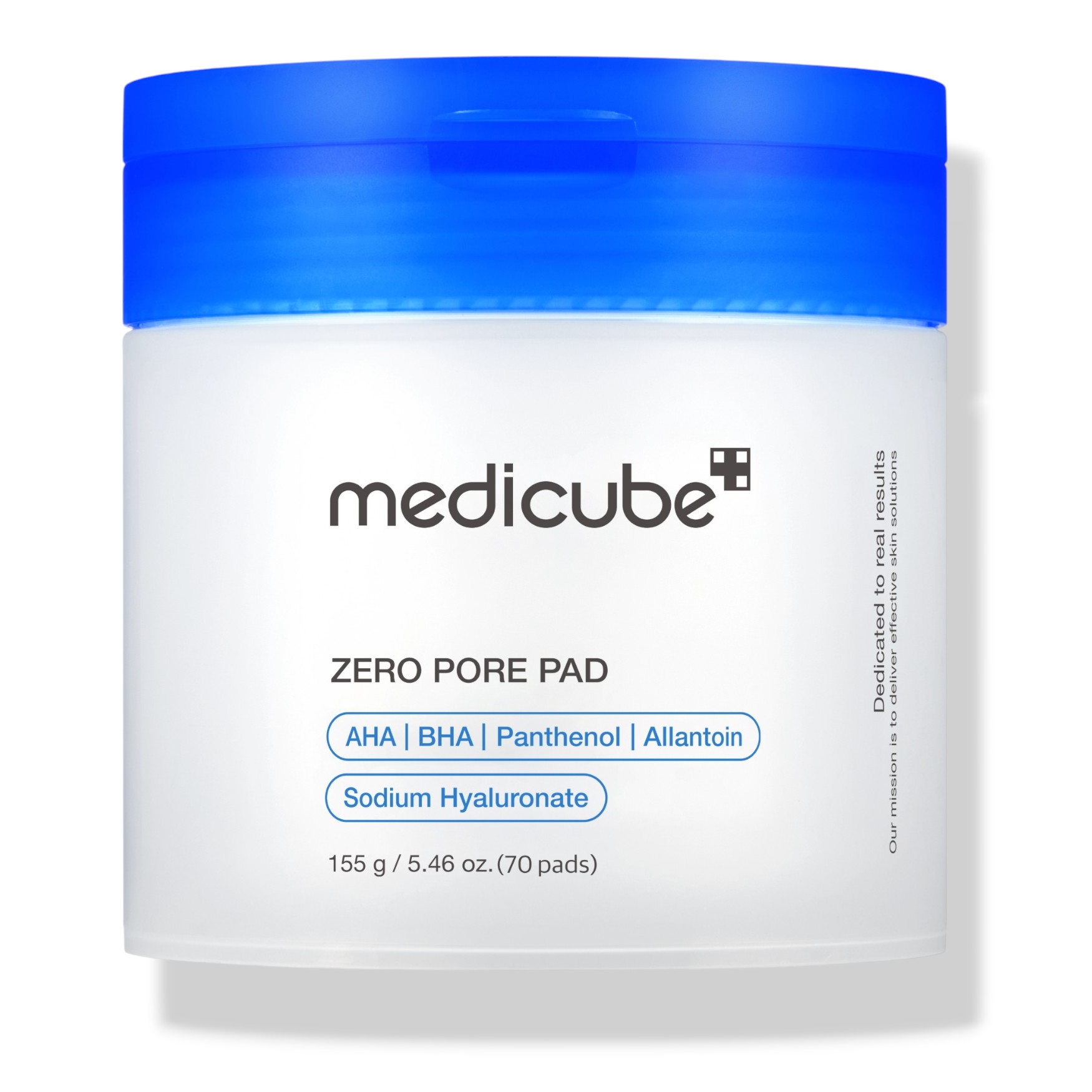
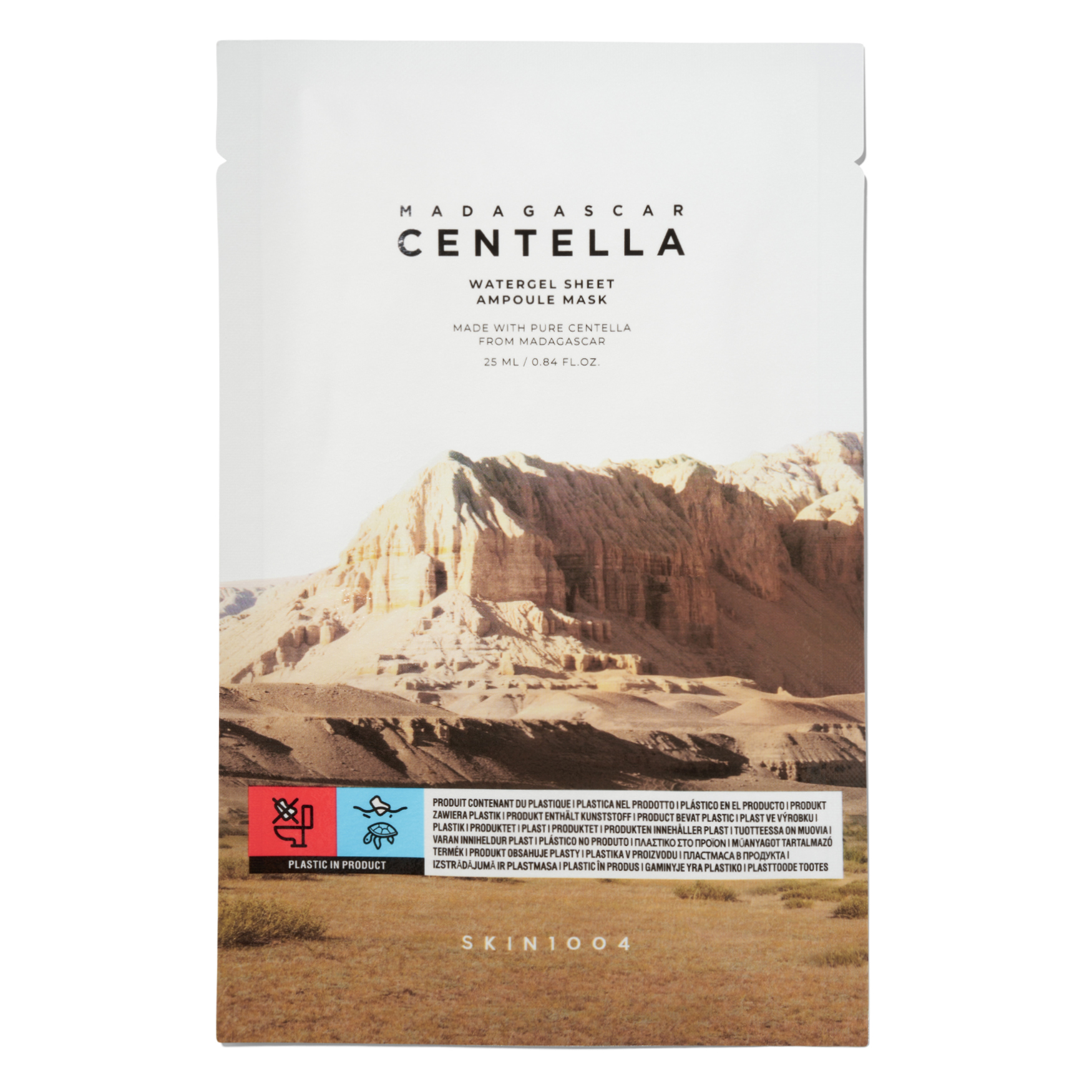
And then there are the brands that are simply really good at delivering the results they promise alongside desirable textures and experience. For me, Beauty of Joseon, Medicube, Anua, SKIN1004 and Laneige deliver on all of the above time and time again. In my opinion, these brands all do an excellent job of combining effective results and ingredients, with elegant textures, accessible price points, and a firm sense of enjoyment that comes with using their products.
My current top picks are:
Medicube Zero Pore Pad 2.0 for an active exfoliation treatment that’s gentle yet effective and very convenient to use
Anua 100 Moisturising Cream for long-lasting, fast-absorbing and skin-plumping moisture that actually improves makeup application
Skin1004 Madagascar Centella Watergel Sheet Ampoule Mask for instant relief from dryness, redness and irritation that doesn’t leave a greasy residue on my skin and offers a self-care moment
Laneige Balance Mode Rice Foaming Deep Cleanser for a purifying cleanse that effortlessly removes makeup and impurities without disrupting my
Beauty of Joseon Relief Sun Aqua-Fresh SPF 50 for a high-factor, broad-spectrum sunscreen that works just as hard to balance, hydrate and soothe my skin
So… is K-Beauty actually better?
Not necessarily. But I do think Korean beauty has pushed the wider skincare industry forward. As consumers it’s made us demand more elegant textures, more sophisticated formulas, a focus on prevention rather than correction, and optimal barrier health. And, it has certainly demonstrated that effective skincare doesn’t have to be complicated or unpleasant to use.
So, my advice isn’t to switch your entire bathroom cabinet to Korean skincare. But definitely to steal the good bits! Find the Korean SPF you’ll actually enjoy wearing every day. Try that ultra-lightweight yet deeply hydrating serum that makes your skin feel significantly better and improves your makeup application and longevity. Add that easy-to-use active treatment that solves a key skin problem you actually have… and ignore the rest.
The best skincare routine isn’t the most ‘Korean’, the most expensive or the most viral. It’s the one that actually delivers noticeable results for your skin, and is a product you enjoy using — and will continue to use. Your skin's needs should always come before a brand’s origins.